






A new year means new opportunities to switch up your habits — whether you’ve resolved to drink less, stop doom scrolling, get to bed earlier, or pick up a creative hobby. Our clinicians dig into the latest research and reveal which lifestyle shifts will actually pay off for your longevity.
 1. Dry January isn’t a fad — it’s a game changer for your health.
Pour one out for happy hours and wine nights. A recent survey found that four in 10 participants were ditching booze for Dry January this year, with younger people leading the charge. Half of Gen Z and Millennial respondents planned to go alcohol-free in January.
According to a new study in the journal Alcohol and Alcoholism, they have the right idea. The research showed that people who stuck to their Dry January goals reported better quality sleep, enhanced mood, improved ability to lose weight, boosted energy, and optimized liver function and blood pressure.
“When you cut back on alcohol or ‘go dry,’ you’re basically removing a nightly disruptor that affects sleep architecture, brain neurotransmitters, stress hormones, and vascular tone,” explains Lifeforce Clinician Barbara Dougherty, CRNP. “Alcohol can help you fall asleep faster, but as it metabolizes, you get a rebound in stress, which fragments sleep and makes you feel more anxious, irritable, or restless the next day. Plus, alcohol can increase tension in the blood vessels, which may raise blood pressure.”
Our takeaway: If you missed Dry January, you didn’t miss the benefit. Start now — or make it Dry February. Loop in a friend or two to make it easier to stick with, suggests Lifeforce Clinician Lara Stock, FNP-C. “Having a support system helps with accountability and can provide other activities instead of drinking.” Stock suggests trading a glass of wine on your couch with a stroll after dinner, a relaxing bath, and a cozy cup of tea.
Dougherty also recommends leaning on tech support. “With the popularity of the sober curious movement, there are tons of tools to help you,” she says. “Apps and communities like Sunnyside or Euphoric AF can make it feel less isolating and more doable.” And if you need further support, never hesitate to ask. Says Dougherty, “If you’re having a lot of mental chatter around alcohol or struggling to stop despite wanting to, it’s worth talking with your clinician.”
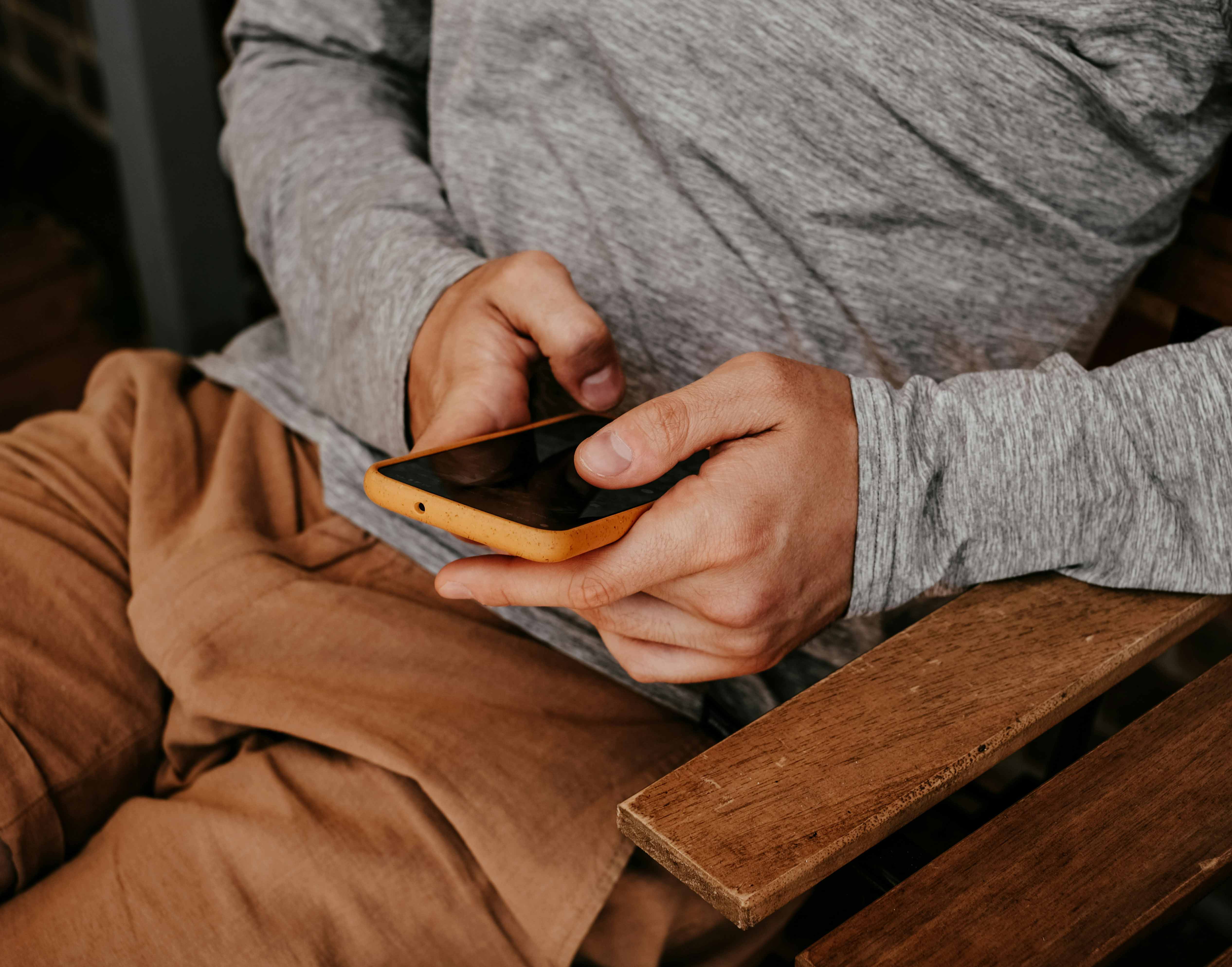 2. One week offline is enough to change your brain.
It’s called “doom scrolling” for a reason. A recent study published in the journal JAMA Network Open found that people who cut down on their social media use — including Instagram, TikTok, Snapchat, X, and Facebook — for just one week experienced significant improvements in their mental health. Participants reported 16% fewer anxiety symptoms, 24.8% fewer depression symptoms, and 14.5% less insomnia.
“Social media platforms are built upon triggering the brain’s reward system by releasing dopamine, a ‘feel good’ neurotransmitter associated with pleasure,” Stock explains. “This creates a feedback loop similar to gambling, where people begin to crave more, which can lead to anxiety and depression.”
Dougherty describes dopamine as a “motivation signal.” She says, “Every scroll is basically a tiny ‘maybe the next one will be it’ moment, which keeps us chasing. Over time, the slower stuff — a walk, a workout, reading, cooking, even a real conversation — can feel less instantly satisfying, even though those things are ultimately more fulfilling.”
Our takeaway: Take baby steps to break the cycle. “Start by tracking your current usage on your phone or computer by viewing the ‘Screen Time’ feature,” Stock says. “Set realistic and specific goals such as limiting your use to 30 minutes per day or designating times in your day where you do not have access to your phone such as during meals or when spending time with your children.”
It’s especially important to put down your phone for the first and last 30 to 60 minutes of your day. “Other studies show that beginning your day scrolling social media helps to create a downhill spiral effect throughout the day,” Stock says. “Scrolling at nighttime can create a cortisol spike when cortisol should be dropping off rapidly to prepare for sleep.”
The key: planning ahead with a healthier habit. “Decide ahead of time what you’ll do instead when you feel the urge to scroll,” Dougherty suggests. “Take a walk outside, call a friend, journal for five minutes, or do a quick stretch and breath reset.”
 3. Disrupted sleep patterns are linked to dementia risk.
Yet another reason to dial in your sleep schedule: A December 2025 study in Neurology found that people with disrupted rest and activity rhythms (RARs) — which are markers of circadian rhythms — have a higher risk of dementia.
“Think of RARs as the shape of your day on a 24-hour graph: when you’re moving and ‘on,’ when you’re resting and ‘off,’ and how consistent that pattern is from day to day,” Dougherty explains. “Researchers can estimate this from wearables that track movement over time.”
According to Dougherty, a healthy RAR looks like clear daytime activity, consolidated nighttime rest, and a fairly predictable routine where your activity peaks around the same time most days. A disrupted RAR means more fragmented days and nights and activity peaking later in the day.
Our takeaway: “Disrupted RARs may contribute to dementia because a disrupted body clock can spill into poor sleep quality, more inflammation, and less ‘brain housekeeping’ during sleep,” Dougherty says.
Think of it like this: “Fragmented sleep can reduce the body’s ability to clear waste products from the brain like amyloid-beta proteins, which are a hallmark of Alzheimer’s disease,” Stock explains. “This can lead to amyloid plaque buildup, promoting neurodegeneration and cognitive decline.”
To combat this, it’s essential to support your body’s natural circadian rhythms. Aim to get outside for light exposure within an hour of waking up and limit blue light from screens one to two hours before bed. “Eat on a rhythm and have dinner earlier when you can. Late-night snacking is basically telling your body to stay awake,” Dougherty says. “And try to wake up at the same time most days, even if your sleep wasn't perfect. This is the anchor that keeps the whole system steady.”
 4. Creative hobbies can turn back the clock on brain aging.
A study in Nature Communications, which analyzed data from more than 1,400 participants from 13 countries, found that creative pursuits can optimize brain health. Participants who did regular activities like dancing, making music, drawing, and playing complex video strategy games, tended to have a younger brain age.
“This study highlights the brain's need for us to pursue creative endeavors throughout our lifetimes,” Dougherty says. “A common thread from the study is to choose a hobby that checks three boxes: it’s mentally challenging, involves coordination or fine motor skills, and ideally has a social component like a class, group, partner, or team.”
Our takeaway: “Creativity isn’t just fun — it’s a neuroprotective behavior that can contribute to overall longevity and cognitive health,” Stock says. She recommends learning a new instrument or style of music, painting, writing, taking dance classes, playing card games with family, or challenging yourself to cook new food dishes from around the world. And, “Say ‘yes’ when you’re invited for a new experience, concert, trip, or class.”
“You don’t have to be ‘good’ to start,” Dougherty adds. “Beginners still benefit from learning something new. The most important thing is to stick with it. Consistency matters more than intensity. Pick something you can realistically fit into your week so you’ll actually keep showing up.”
This article was medically approved by Lara Stock, MSN, FNP-C, and Barbara Dougherty, APRN, FNP-BC.