






Despite what your thermostat may say, we’re entering a season of transition. Schedules tighten, vitamin D levels dip along with daylight hours, and holiday indulgences are right around the corner. Rather than get caught off guard, take this time to reset.
“Just like how fall is a natural time to declutter our homes and schedules, it’s also a perfect season to reassess your health,” says Barbara Dougherty, APRN, FNP-BC, a Lifeforce nurse practitioner. “Checking in on a few key health metrics now can give you clarity, help you course-correct, and set you up for a healthier winter.”
Here are nine health metrics worth checking (or rechecking) this fall to get a clear and actionable snapshot of where you stand.
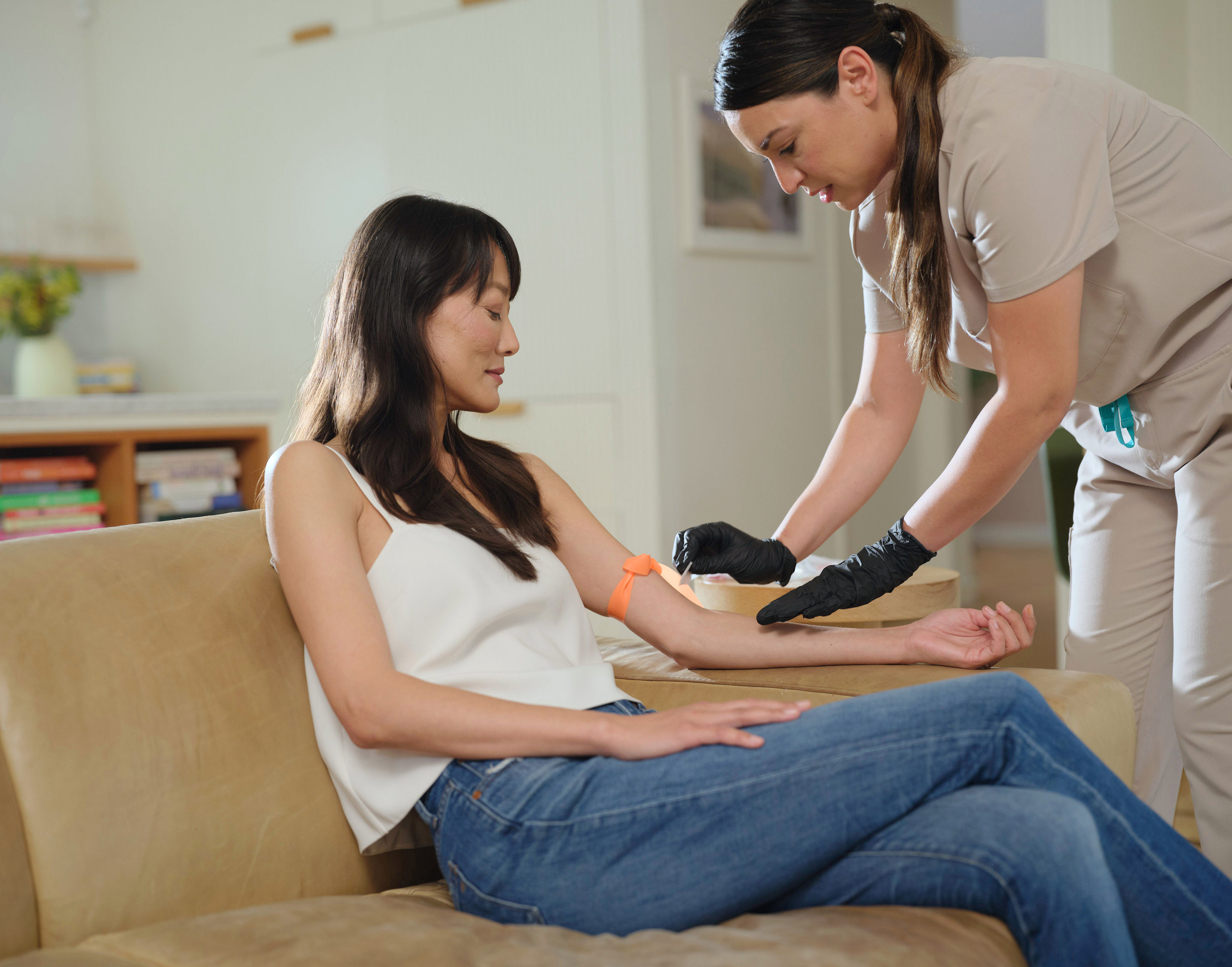 Lifeforce Diagnostic
The Lifeforce Diagnostic blood panel checks 50+ key biomarkers, but here are four to focus on this season.
1. Blood Glucose (HbA1c)
What it measures: How well your body regulated blood sugar over the past two to three months.
Why it matters: High blood sugar is one of the earliest warning signs of metabolic imbalance, and it often creeps up before symptoms appear. Dougherty says elevated levels can signal prediabetes or diabetes, which affect energy, weight, and long-term cardiovascular health.
When to start: Get tested around age 25 for a baseline, says Dougherty. (Earlier if you have risk factors, such as excess weight, a family history, or previous borderline results.) Tracking your blood glucose over time will show how well you’ve managed blood sugar.
How often to retest: Every three to four months is a reasonable amount of time to give for changes, both positive and negative, to take effect, says Dr. Julia Afridi, a Lifeforce Physician. “If you test in September and recheck in December or January, you can see how lifestyle shifts — like holiday indulgences — affected your numbers.”
What else to do: If numbers trend upward, start by focusing on protein-rich meals, daily movement, limiting refined carbs, and other hacks that help balance your blood sugar.
2. Cholesterol and Lipid Panel
What it measures: One of the most important biomarkers for heart health, a cholesterol and lipid panel actually measures levels of LDL (bad cholesterol), HDL (good cholesterol), and triglycerides. Lifeforce also offers extended lipid panels that look at deeper, more specific lipid markers such as particle size, particle number, and inflammatory markers for a deeper look into cardiovascular health.
Why it matters: High cholesterol builds silently in the arteries, increasing long-term risk of heart attack or stroke, says Dougherty.
When to start: Get tested around age 25 for a baseline. (Earlier if you have risk factors, such as excess weight, a family history, or previous borderline results.) If you have a family history of heart disease, ask for extended testing for a fuller picture.
How often to retest: Retesting every three to four months is a reasonable amount of time to give lifestyle changes — both positive and negative — an opportunity to take effect, says Dr. Afridi. If you test now in September, then recheck in December to ensure you're staying on track.
What else to do: Small dietary tweaks — more fiber, less processed fat — make a measurable difference in just a few months. As holiday celebrations approach, try to avoid overindulging in desserts and alcohol.
3. Vitamin D
What it measures: Vitamin D, a nutrient critical for bone health, immunity, and mood regulation.
Why it matters: With reduced sun exposure in the fall, vitamin D levels tend to decrease as fall transitions into winter. “Vitamin D doesn’t drop suddenly, though; it’s gradual,” explains Dr. Afridi. “By November or December, levels are often much lower than they were in summer, which can leave you fatigued, moody, and more vulnerable to colds.”
When to start: Starting at any age, particularly in regions with limited sun exposure.
How often to retest: Test at least twice yearly — or more often if you have bone or immune issues, says Dougherty.
What else to do: If your levels are dipping, supplement consistently with vitamin D (one that includes vitamin K2 for better absorption).
4. Inflammation (hs-CRP)
What it measures: High-sensitivity C-reactive protein (hs-CRP) is an indicator of inflammation in the body. It’s a snapshot of whether your body is under stress.
Why it matters: Chronic inflammation is linked to an increased risk of heart disease, diabetes, and other chronic conditions, says Dr. Afridi. Tracking hs-CRP gives you and your doctor insight into hidden risks that lifestyle changes or targeted treatment can help reduce.
When to start: Typically considered for adults with heart disease risk over age 50, or those 18 and older who want to monitor their general inflammation levels for overall health.
How often to retest: Every six to 12 months, or as part of your routine diagnostic panel.
What else to do: Elevated results? Focus on sleep, stress management, and anti-inflammatory foods like leafy greens, berries, and omega-3s.
5. Kidney and Liver Function Panels
What it measures: Markers like creatinine and eGFR (kidneys) and AST/ALT (liver).
Why it matters: “Early signs of organ stress often appear in bloodwork before symptoms,” says Dougherty. “These tests are especially important if you take medications, as many drugs are processed through the liver and kidneys.”
When to start: Know your adult baseline by age 18 to 20.
How often to retest: Every six to 12 months; more often if you have chronic conditions or take regular medications.
Starting age: Adult baseline recommended by age 18 to 20.
What else to do: Protect your liver and kidneys by staying well-hydrated to help flush out waste. Try to limit excessive salt, alcohol, processed foods, and added sugars, and avoid unnecessary medications or supplements that can strain these organs.
Preventive Screenings
 Blood tests are powerful, but don’t forget the big-picture screenings you should get through your primary care physician. Some screenings don’t need to be repeated every year, but Dr. Afridi says fall is a smart time to schedule them — especially if you’ve met your insurance deductible.
“Get in for an annual physical with your primary care clinician and book other diagnostic screenings that can help catch potential health issues early and give you peace of mind heading into the winter as we close out the year,” says Dougherty.
6. Colonoscopy
What it measures: Screens for colorectal cancer by detecting precancerous polyps or hidden blood in stool. Dr. Afridi says that low-risk individuals may only require a non-invasive stool test (like Cologuard), which tests for hidden blood or abnormal DNA.
Why it matters: Early detection greatly improves treatment outcomes and can prevent cancer.
When to start: Age 45 for average-risk adults.
How often to retest: Colonoscopy every 10 years, stool test every one to three years.
What else to do: Maintain a fiber-rich diet, drink enough water, and exercise.
7. DEXA Scan
What it measures: Bone density to assess osteoporosis risk, and can also provide insight into body composition (lean muscle vs. fat). While it’s standard for women post-menopause and men later in life, more health-minded people are getting scans in their 30s and 40s as a proactive tool to track muscle mass, bone strength, and body fat changes over time.
Why it matters: Identifies weak bones before they break, helps prevent fractures, and, for younger adults, offers a baseline to monitor age-related bone and muscle loss before it becomes significant.
When to start: Women at 65 and men at 70, or earlier if you have risk factors or want baseline scans for tracking long-term health.
How often to retest: Every two to five years, depending on your results — or more often if you’re monitoring body composition or making changes in fitness and nutrition.
What else to do: Get enough calcium and vitamin D, prioritize weight-bearing and resistance exercise, and maintain a balanced diet to support bone and muscle strength.
8. Women’s and Men’s Exams
What it measures: Men’s prostate exams and women’s pelvic exams and mammograms assess general health through physical examinations and imaging.
Why it matters: These exams allow cancers and other health issues to be caught early, when they’re most treatable.
When to start: For men, prostate screening typically begins at age 45. For women, in addition to the pelvic exams recommended every three to five years, annual mammograms should start at age 40 (earlier if high-risk).
How often to retest: Annually or as recommended by your provider.
What else to do: Keep an updated family health history and follow your doctor’s lifestyle guidance.
9. Blood Pressure
What it measures: The force of blood against artery walls.
Why it matters: High blood pressure is a silent risk factor for heart disease and stroke. Early detection is the key to heart health, says Dougherty, as it allows you to take action with lifestyle changes or medications if needed.
When to start: Age 18.
How often to retest: At least annually, twice a year or more if elevated.
What else to do: Limit salt, exercise regularly, manage stress, and maintain a healthy weight.
Staying ahead of your health is all about knowing your numbers and making small, consistent changes. Whether it’s checking in on your bone health, hormones, or cardiovascular markers, these tests are a simple way to catch changes early and take action before issues arise in the future.
Thousands of members use Lifeforce to track and improve their health. Join them, and step into this next season with clarity and confidence.
This article was medically reviewed by:
Julia Afridi, DO, ABIHM Board Certified in Family Medicine and Osteopathic Medicine
Barbara Dougherty, APRN, FNP-BC